The challenge
Know-how can leave with the person who holds it.
When guidance lives only in conversation, the next shift may not hear the context behind a decision or workaround.
People learn more than a sequence of steps from an experienced teammate. They learn what to notice, why a choice matters, and when the usual approach needs to change.
See mentoring in the work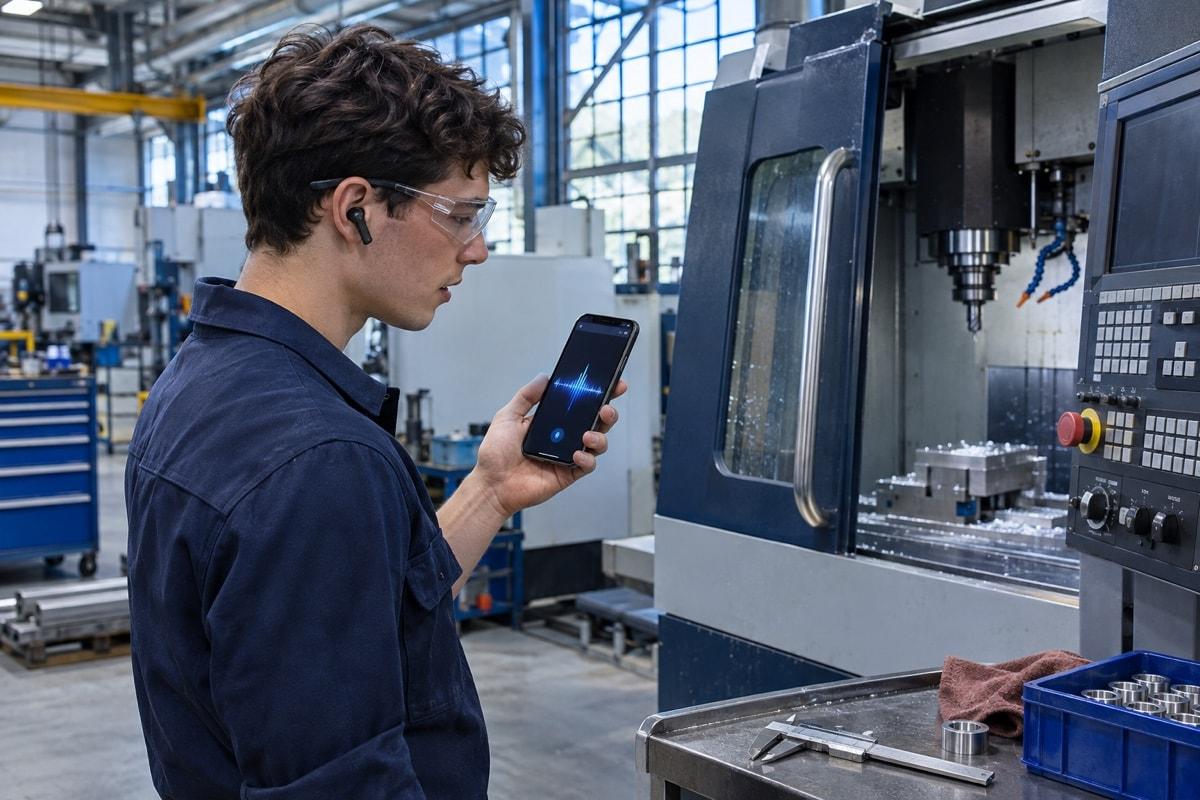
Know-how can leave with the person who holds it.
When guidance lives only in conversation, the next shift may not hear the context behind a decision or workaround.
Turn a good explanation into a stronger starting point.
Capture practical reasoning and make it easier for the team to find and use when similar work comes around.
As manufacturers work to attract and retain talent, making expertise easier to pass along becomes increasingly important.
in U.S. manufacturing by 2033, without significant change.
named attracting and retaining talent as a primary business challenge.
Source: Deloitte and The Manufacturing Institute, 2024. The projections describe workforce needs—not outcomes from mentoring software.

Case study
At Indiana Furniture, experienced operators shared the know-how behind a complex manufacturing line—knowledge that had largely lived with the people who did the work.
The team compared that guidance with existing procedures and tested it with newer operators, surfacing outdated steps and making the knowledge more useful on the next shift.